


On August 23, People’s Daily published a feature story on its front page titled “Three Generations of Mentors and Apprentices Pursue Excellence Through Innovation.” The article profiles three generations of skilled workers at CRRC Changchun Railway Vehicles Co., Ltd. - Li Wanjun, He Yan and Wang Shangeng - and their contributions to advances in rail transit manufacturing.
Through their careers, the three workers have witnessed and contributed to the evolution of China’s rail transit equipment from conventional passenger trains to the Hexie and Fuxing high-speed train platforms.
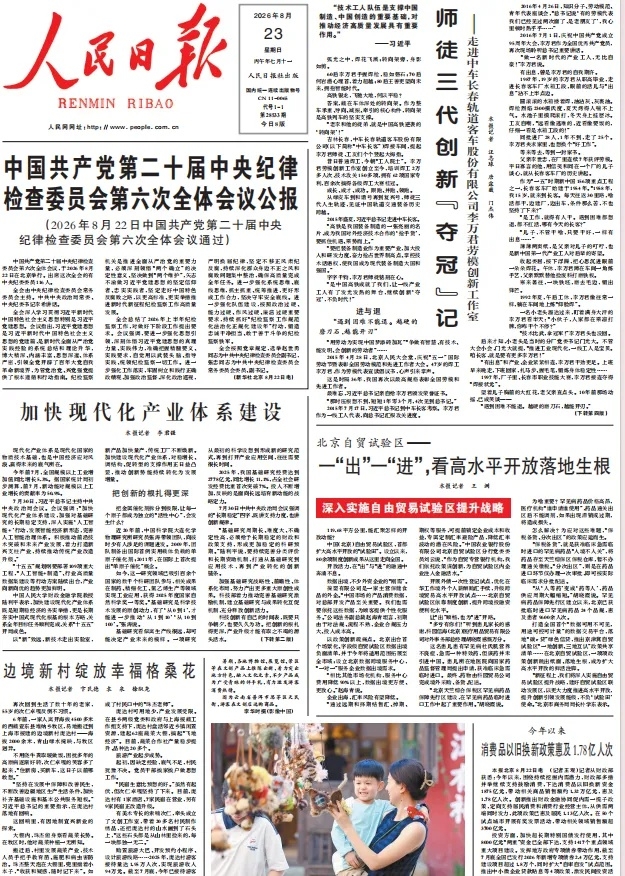
From Skilled Welder to Innovation Leader
Li Wanjun joined the company as a welder in 1987 and developed his expertise through decades of frontline production experience. During the early development of China’s high-speed trains, he led efforts to improve critical bogie welding processes.
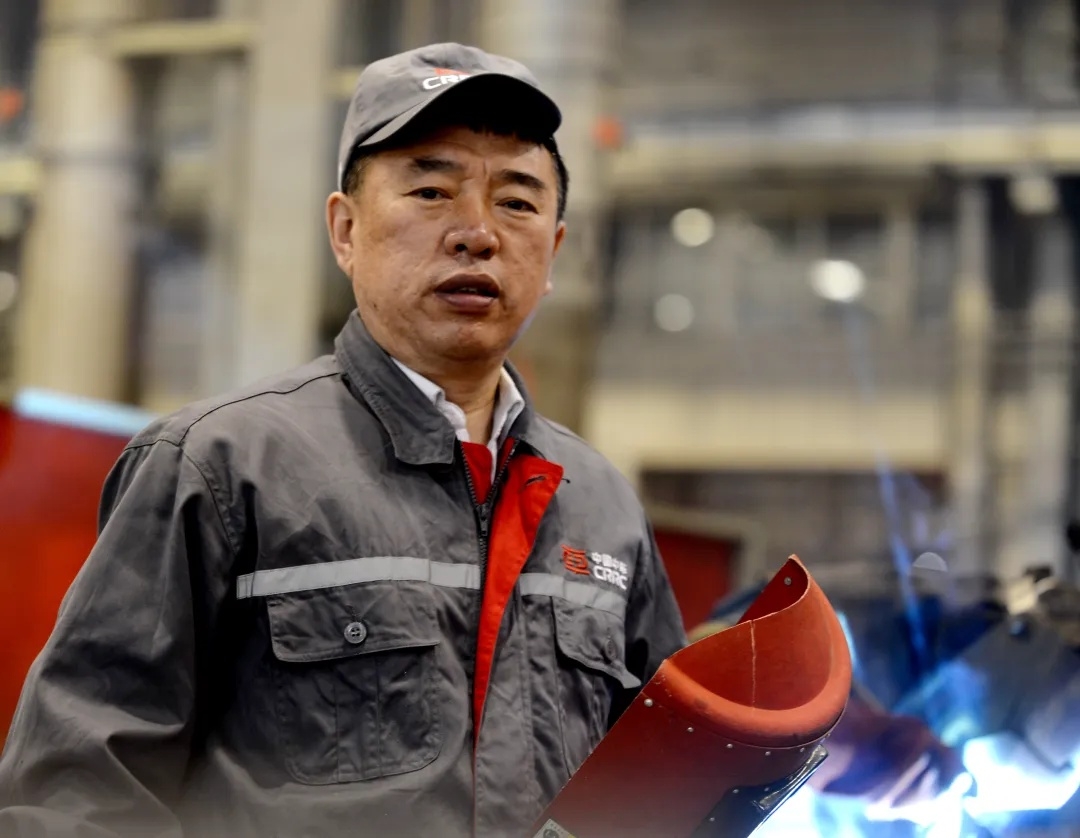
His team developed a seven-step welding method that increased the qualification rate of a key bogie weld from 68% to 99.5%, helping establish an independently developed welding specification for high-speed train production.
The Li Wanjun Model Worker Innovation Studio has since trained more than 20,000 welders, completed over 150 technical projects, secured 62 national patents, and achieved more than 100 awards in welding competitions.
Passing on Skills and Advancing Innovation
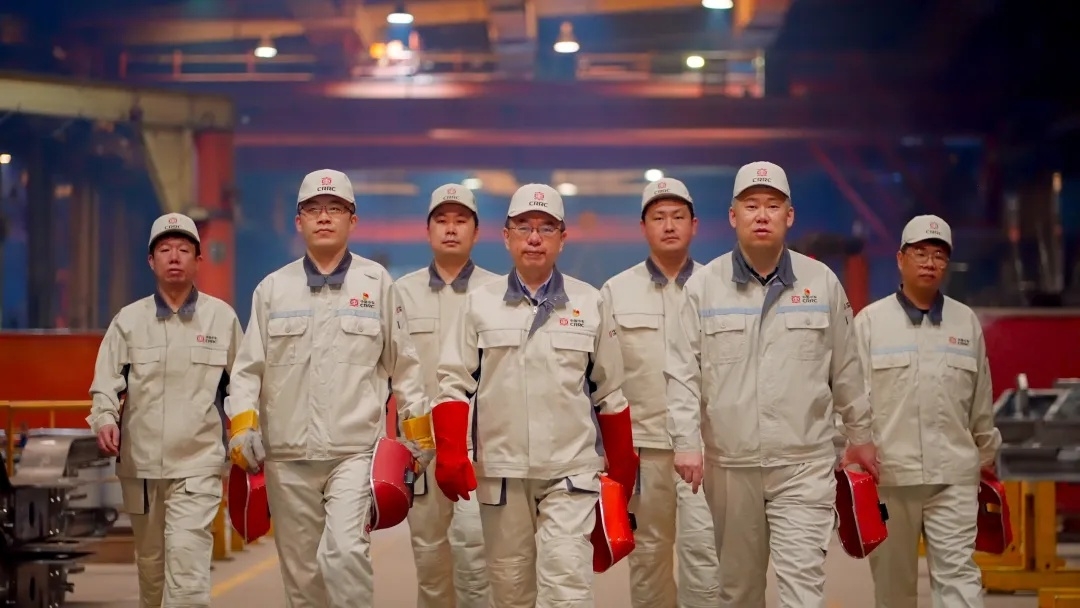
Li Wanjun’s apprentice He Yan continued this tradition by combining frontline skills with practical innovation. Together, Li and He won first prize at China’s inaugural Innovation Methods Competition in 2018.
He Yan later supported CRRC Changchun Railway Vehicles’ Melbourne Metro project in Australia as a technical expert, providing on-site technical guidance.
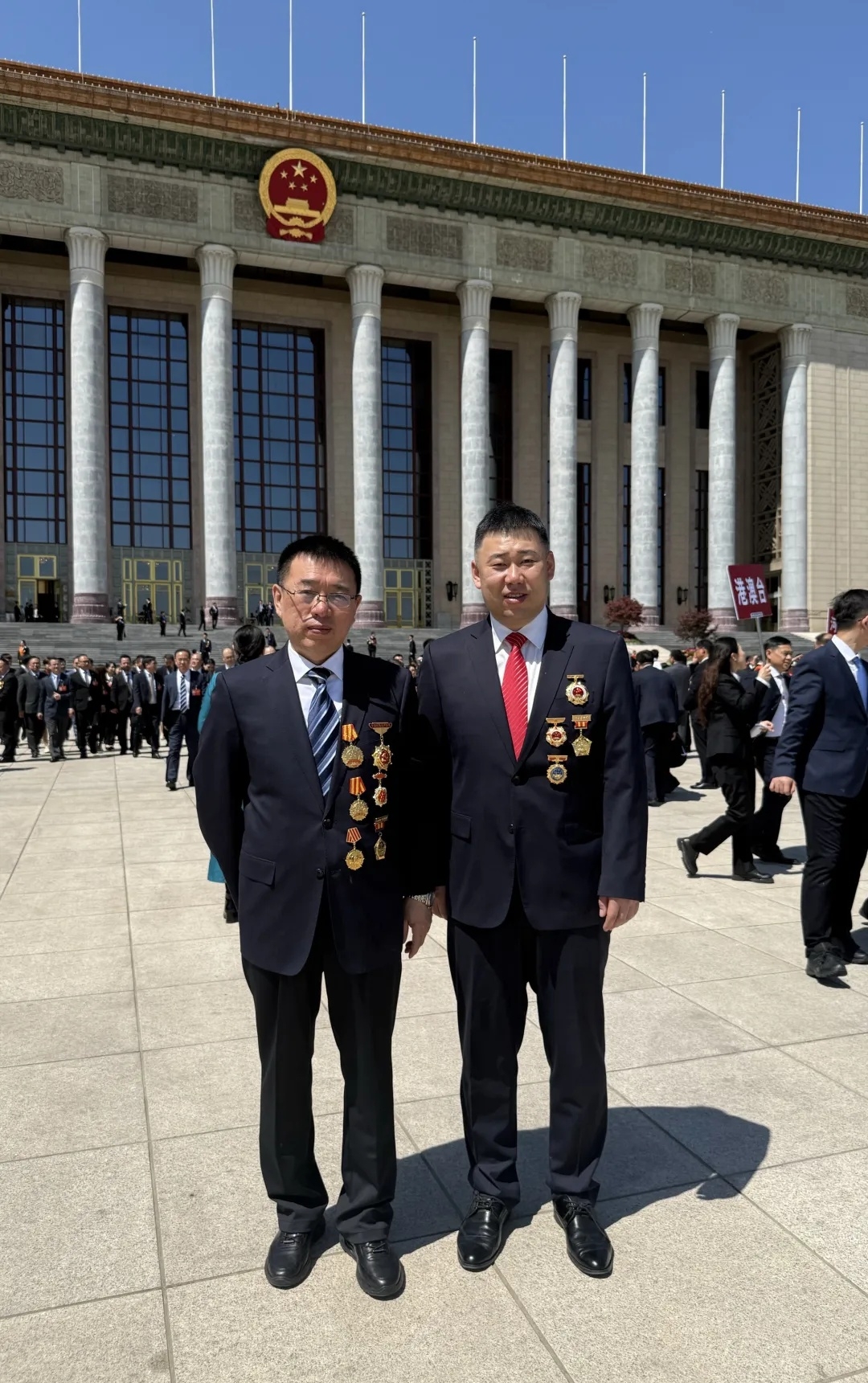
In 2025, He Yan was recognized as a National Model Worker, marking another stage in the passing of technical expertise and professional values from one generation to the next.
From Manual Skills to Intelligent Manufacturing
A younger generation represented by Wang Shangeng has continued to build on this foundation. Working alongside Li Wanjun and He Yan, Wang participated in solving key welding challenges during the development of the Fuxing high-speed train and later won an international welding competition in 2018.
As rail manufacturing becomes increasingly automated, the team is also adapting traditional craftsmanship to digital and intelligent production. During development of the CR450 high-speed train, He Yan’s team converted manual welding expertise into digital process parameters, while Wang Shangeng began developing programming skills for robotic welding.
Welding automation has increased from around 60% for China-standard high-speed train production to more than 90% for the CR450, highlighting the shift toward increasingly intelligent manufacturing.
Three Generations, One Continuing Tradition
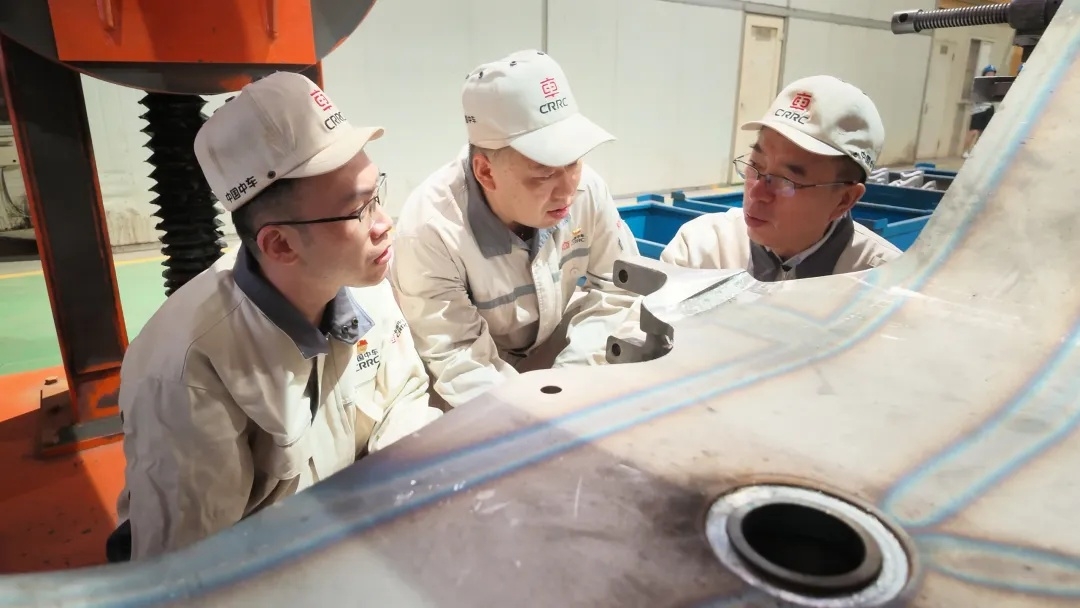
The People’s Daily feature highlights how expertise, mentorship and continuous innovation have been passed across generations at CRRC Changchun Railway Vehicles.
Today, the company has more than 11,000 skilled workers, nearly 70% of whom are highly skilled personnel. Its rail vehicles have been exported to 26 countries and regions, with cumulative contract value exceeding US$14 billion.
From traditional welding skills to digital manufacturing and intelligent production, the experience of Li Wanjun and his apprentices reflects the continued development of CRRC’s advanced manufacturing capabilities and skilled workforce.
